
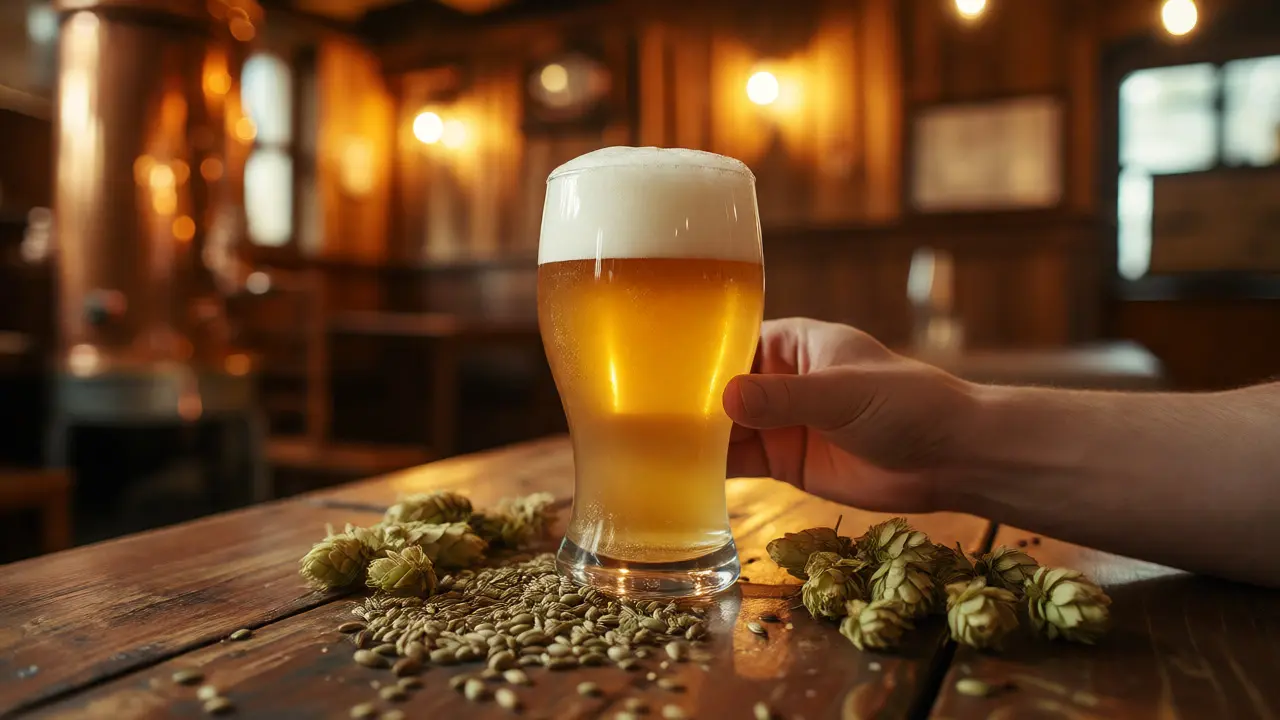
Have you ever stood in front of the shelf at a liquor store, holding a can labeled "Hemp" or "CBD," and wondered if drinking it would get you high? You're not alone. The idea of cannabis beer sounds like the ultimate party trick, but the reality is far more nuanced-and honestly, a bit disappointing for those expecting a buzz.
The short answer is no, there is no true "marijuana beer" that gets you stoned in the traditional sense. But wait, before you put down your pint, let's unpack what actually exists on the market today. We are talking about drinks that mix the ancient art of brewing with the modern hype around cannabis compounds. It’s a fascinating intersection of chemistry, marketing, and regulation, especially here in the Czech Republic where beer culture runs deep.
What exactly is "cannabis beer"?
First, we need to clear up a massive misunderstanding. When people say "cannabis beer," they usually mean one of two things: beer brewed with hemp seeds or beer infused with CBD (cannabidiol). Neither of these contains significant amounts of THC, the psychoactive compound in marijuana that makes you feel "high."
Hemp beer is simply regular beer-made from water, malt, hops, and yeast-that has hemp seeds added during the brewing process. These seeds don't contain cannabinoids; they add a nutty flavor and some healthy fats. Think of it like adding almonds to a salad. It changes the taste profile, giving it an earthy, slightly spicy note, but it won't alter your mental state.
CBD beer, on the other hand, is often a non-alcoholic beverage or a low-ABV drink where CBD oil is added after fermentation. Since CBD is non-intoxicating, you won't feel euphoric or relaxed in the way you do with alcohol or THC. Instead, many users report a mild sense of calm, though scientific consensus on this specific effect when combined with carbonation is still evolving.
Why doesn't real cannabis beer exist?
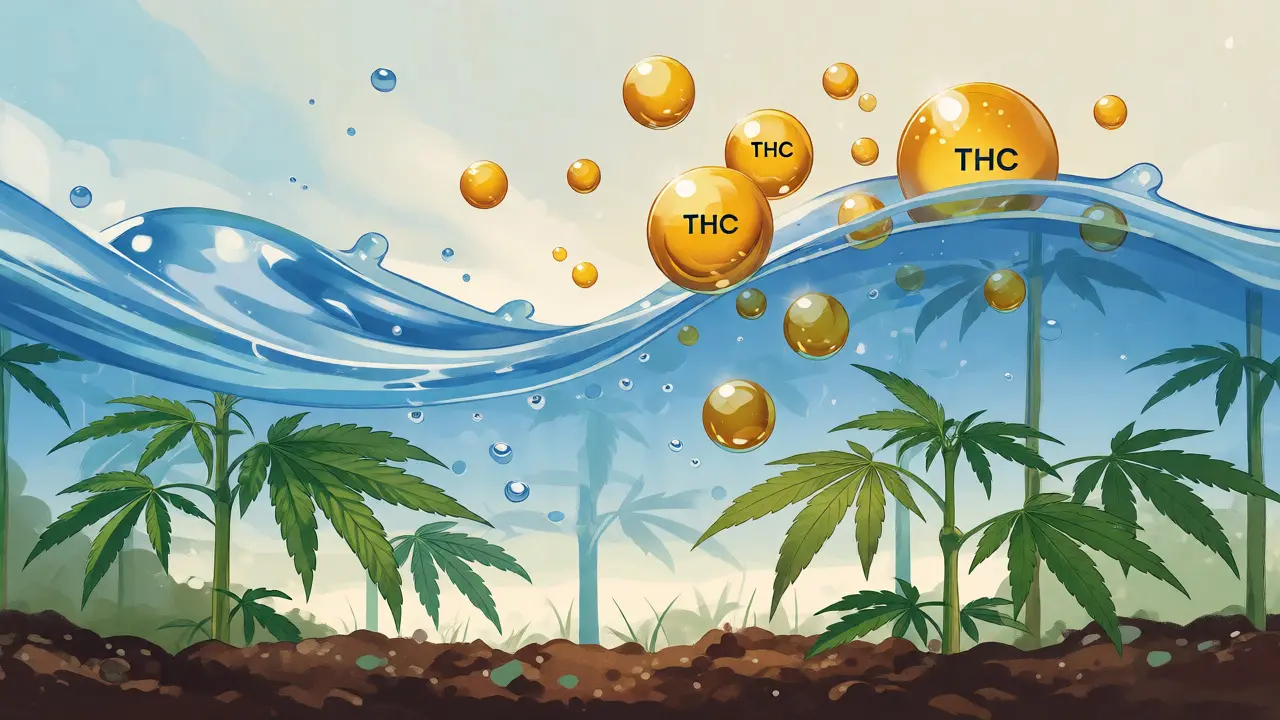
You might ask, why can't brewers just throw some THC into the mash? The problem lies in chemistry and law. THC is fat-soluble, not water-soluble. Beer is mostly water. If you dump THC flower into boiling wort, most of it gets destroyed by heat or remains trapped in plant matter that gets filtered out. To make THC-infused beverages, manufacturers have to use nano-emulsification technology to break the THC into tiny particles that stay suspended in liquid. This is expensive and technically difficult.
Moreover, regulations in the European Union, including the Czech Republic, are strict. In the EU, industrial hemp must contain less than 0.3% THC. Most beers marketed as "cannabis" adhere strictly to this limit, meaning any potential psychoactive effect is negligible. You’d have to drink dozens of liters to even approach a micro-dose of THC, which would likely result in alcohol poisoning long before you felt a buzz.
The Czech context: Hemp vs. Cannabis
Here in Ostrava and across the Czech Republic, the distinction between průmyslové konopí (industrial hemp) and medicinal/marijuana is crucial. Czech breweries have a long history with hemp. Historically, hemp was used for rope, cloth, and even food. Today, local brands like Konopiště or various craft breweries in Moravia produce hemp-flavored lagers and ales.
These beers are legally classified as standard alcoholic beverages. They are taxed like normal beer. There is no special "cannabis tax" because, legally speaking, they aren't cannabis products in the recreational drug sense. They are agricultural products using a legal crop. If you buy a six-pack of hemp beer at Albert or Kaufland, check the label. If it says "nealko" (non-alcoholic) and lists CBD content, it’s a wellness drink. If it says "10°" or "12°" and lists hemp seeds, it’s just flavored lager.
How does it taste?
Let’s be honest: hemp beer isn’t for everyone. The flavor profile is distinct. Hemp seeds impart a grassy, nutty, and sometimes bitter taste that can clash with traditional hop bitterness. Some brewers balance this by using lighter malts or citrusy hops to cut through the earthiness.
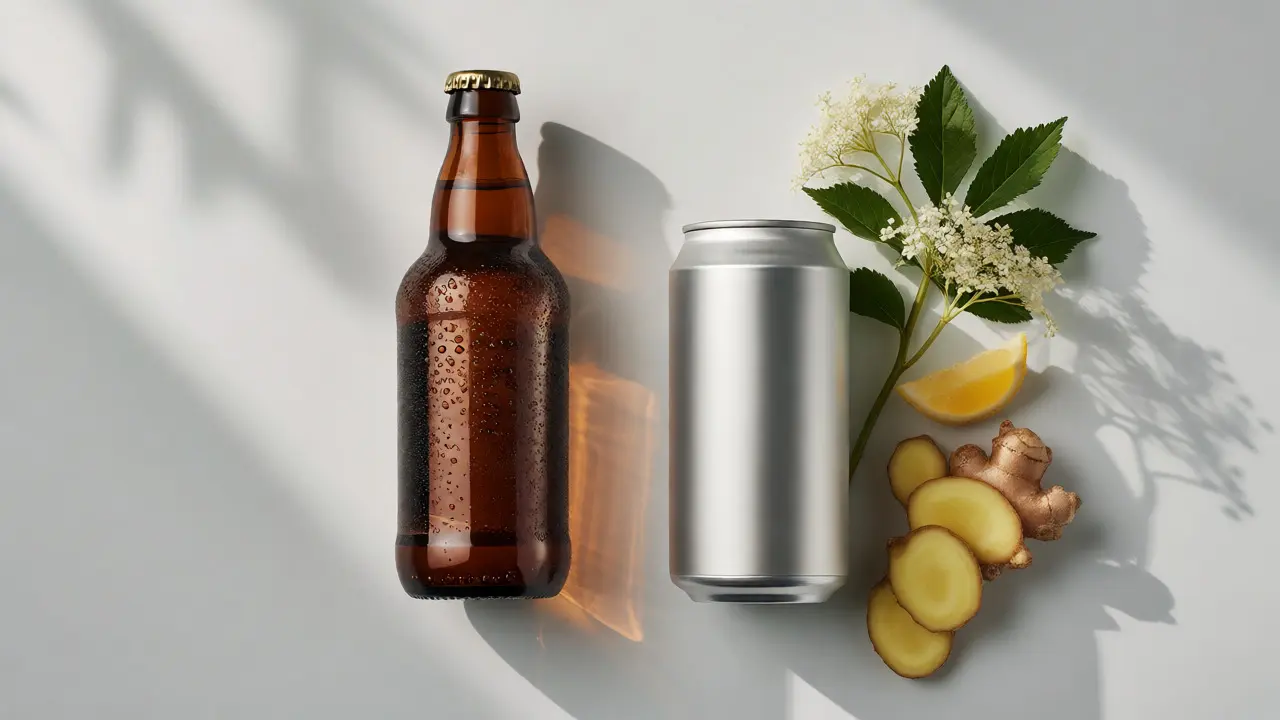
CBD beers, often sold as functional beverages, tend to lean towards botanical flavors. You’ll often find them mixed with ginger, lemon, or elderflower to mask the slight herbal undertone of the CBD extract. If you’re expecting the smooth, malty comfort of a Pilsner Urquell, you might be surprised. It’s closer to a complex kombucha or a sophisticated soda than a classic pivo.
| Feature | Hemp Beer | CBD Beer | THC Seltzer (US Market) |
|---|---|---|---|
| Main Ingredient | Hemp Seeds | CBD Extract | THC Nano-emulsion |
| Psychoactive Effect | None | Minimal/Relaxing | Yes (Mild to Moderate) |
| Alcohol Content | Standard (4-5%) | Often Non-Alcoholic | Non-Alcoholic |
| Legal Status in CZ | Fully Legal | Legal (if <0.3% THC) | Gray Area/Import Only |
| Taste Profile | Nutty, Earthy | Botanical, Herbal | Fruity, Masked |
Can you get drunk on cannabis beer?
If it’s a standard hemp beer, yes, absolutely-but only because of the alcohol. If it’s a non-alcoholic CBD beer, no. You cannot get intoxicated by CBD alone. Some people confuse the relaxation effects of alcohol with the purported calming effects of CBD. If you drink a CBD beer instead of wine at dinner, you might feel more relaxed simply because you’re avoiding the depressant effects of ethanol, not because the CBD is hitting hard.
There is also the "entourage effect" theory, suggesting that minor cannabinoids work better together. However, in beer, the concentrations are too low to replicate the full spectrum found in whole-plant extracts. Don’t expect a therapeutic breakthrough from a pint of CBD lager.
Where to buy and what to watch for
In the Czech Republic, look for these drinks in specialty health stores, larger supermarkets in the organic section, or craft beer bars. Be wary of online imports from the US or Canada. While American markets have fully legal THC beverages, importing them into the EU can be tricky due to customs regulations regarding controlled substances. Always check the THC percentage on the label. If it’s above 0.3%, you risk having your package seized by Czech customs.
Also, keep an eye on the price. Because extraction and emulsification technologies are costly, a 330ml can of quality CBD beer can cost 60-90 CZK, significantly more than a standard pivo. You are paying for the processing, not necessarily a superior brewing technique.
Is it worth trying?
If you love beer and are curious about hemp flavors, give a local hemp lager a try. It’s a fun novelty and supports local agriculture. If you are looking for a sober alternative that offers a slight mood lift without the hangover, a well-crafted CBD botanical drink might be your new go-to for weekday evenings.
But if you are chasing a high, save your money. Buy some legal hemp tea or visit a licensed dispensary for medicinal cannabis if prescribed. Beer is best enjoyed for its craftsmanship, not its pharmacological potential.
Does cannabis beer contain THC?
Most commercially available cannabis beers in Europe contain less than 0.3% THC, which is the legal limit for industrial hemp. This amount is insufficient to cause intoxication. True THC-infused beverages are rare in the EU market compared to North America.
Will I fail a drug test if I drink hemp beer?
It is highly unlikely. The trace amounts of THC in legal hemp beer are generally too low to trigger a positive result on standard urine or blood drug tests, unless you consume extreme quantities in a very short time. However, individual metabolism varies.
Is CBD beer healthier than regular beer?
Not necessarily. Many CBD beers are non-alcoholic, which removes the negative health impacts of ethanol. However, they may contain added sugars or artificial sweeteners to improve taste. Always check the nutritional label for sugar content and calories.
Can I brew my own cannabis beer at home?
Yes, you can easily add hemp seeds to your homebrew kit for flavor. Adding CBD oil is possible but requires careful temperature control during bottling to preserve the compound. Adding raw cannabis flowers is risky due to inconsistent potency and legal ambiguities regarding home cultivation limits.
Why is cannabis beer so expensive?
The cost comes from sourcing certified CBD isolates or broad-spectrum extracts, the technology required to dissolve lipophilic compounds in water (emulsification), and lower production scales compared to mass-market lagers.
